.png?x-oss-process=image/resize,h_100,m_lfit/format,webp)
.png?x-oss-process=image/resize,h_100,m_lfit/format,webp)
.png?x-oss-process=image/resize,h_100,m_lfit/format,webp)
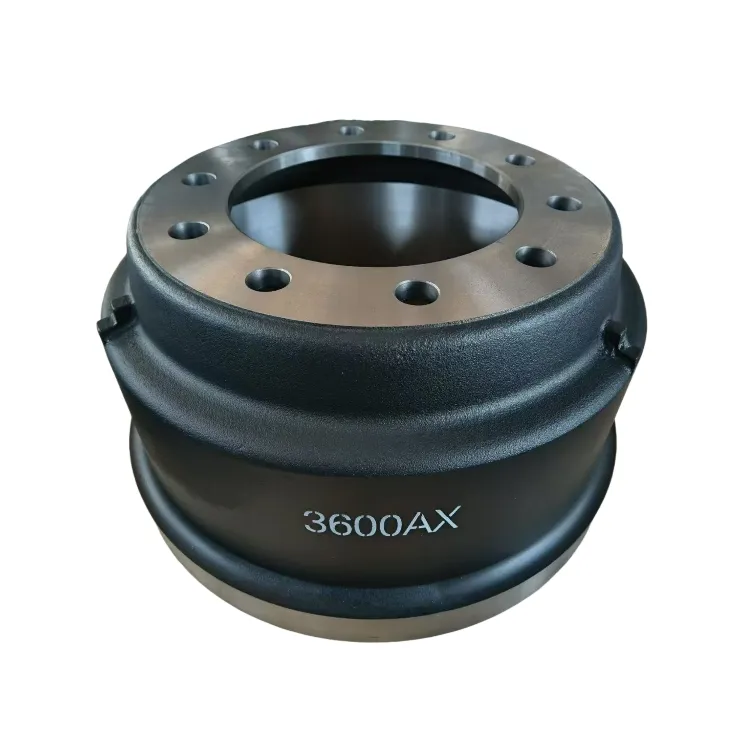
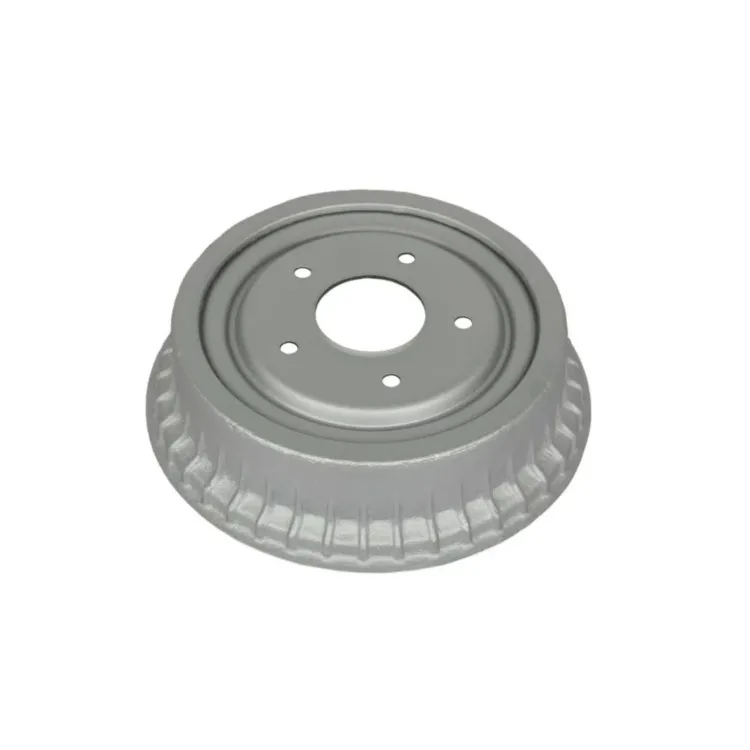
In the highly competitive automotive industry, ensuring the quality and safety of passenger car brake drums is of utmost importance. This article delves into how brake drums can obtain IATF TS16949 and R90 E - mark international certifications, highlighting key points in the whole - process quality control.
IATF TS16949 is a quality management system specifically designed for the automotive industry. It sets high standards for product quality, process control, and continuous improvement. R90 E - mark, on the other hand, is an important safety certification in the European market, which ensures that brake drums meet strict safety and environmental requirements.
These certifications not only demonstrate a manufacturer's commitment to quality but also enhance the credibility of the product in the international market. For example, a brake drum with these certifications is more likely to be chosen by automotive manufacturers and after - sales service departments.
The certification process involves a series of strict performance tests. Material selection is the first crucial step. High - quality materials, such as gray cast iron with specific chemical compositions, are often used to ensure the strength and durability of the brake drum. For instance, the carbon content in the gray cast iron should be within a range of 3.0% - 3.5% to achieve good mechanical properties.
Mechanical processing accuracy is also vital. The dimensional tolerance of the brake drum should be controlled within ±0.05mm to ensure proper fit with other components in the braking system. Rust - proof treatment is another important aspect. A good rust - proof coating can extend the service life of the brake drum, and it should be able to withstand salt - spray tests for at least 500 hours without significant corrosion.
High - temperature heat resistance and heat dissipation performance are critical for brake drums. They should be able to withstand temperatures up to 600°C without deformation, and the heat dissipation coefficient should be above 50W/(m²·K) to ensure efficient heat transfer and prevent brake fade.
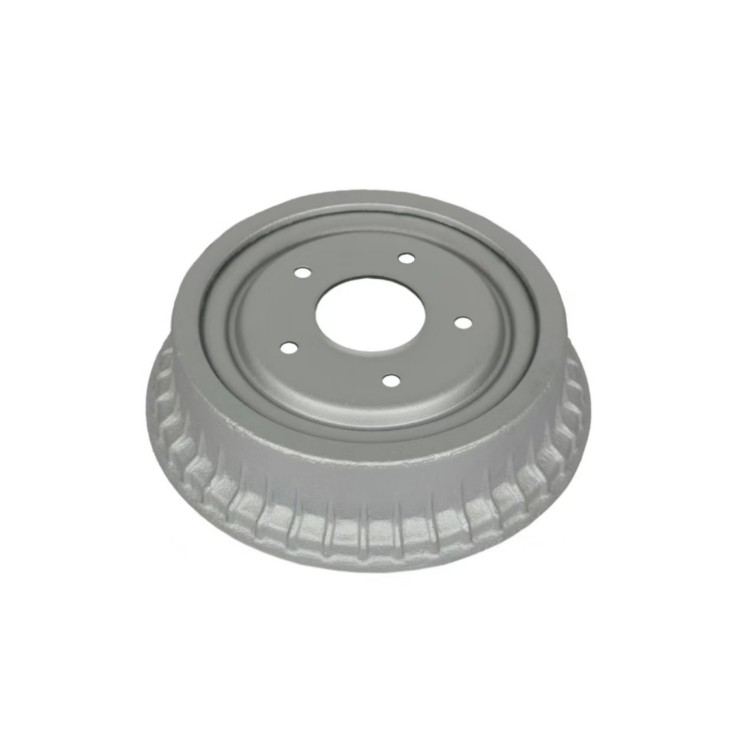
The whole - process quality control of brake drums includes R & D, production, testing, and after - sales service. During the R & D stage, engineers use advanced simulation software to optimize the design of the brake drum, taking into account factors such as stress distribution and heat transfer.
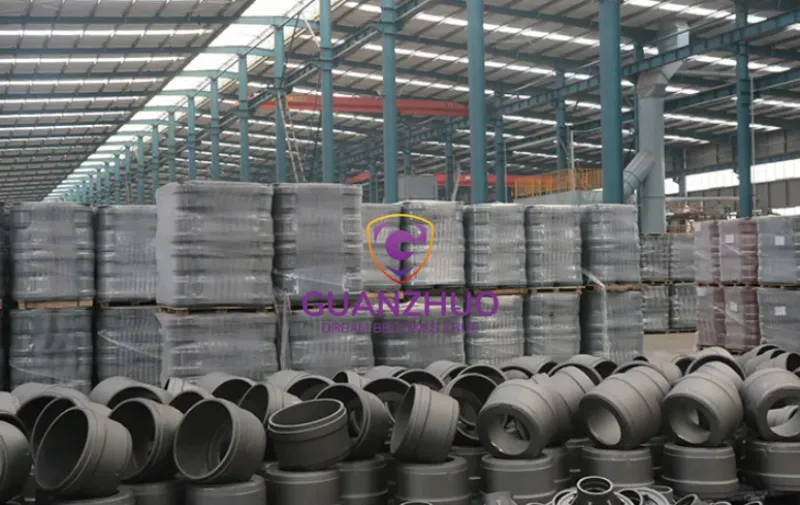
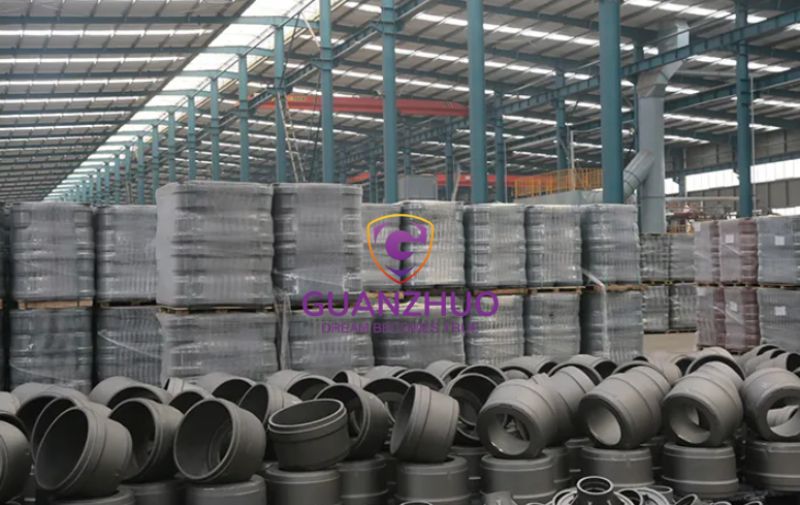
In the production process, strict process control is implemented. For example, the casting process should be carefully monitored to ensure the uniformity of the material structure. Quality inspection is carried out at each production stage, using advanced testing equipment such as coordinate measuring machines and non - destructive testing devices.
After - sales service is also an important part of quality control. Laizhou Guanzuo Trading Co., Ltd. offers a trial order service, allowing customers to test the product's performance before making a large - scale purchase. The company also provides a warranty period of 2 years or 50,000 kilometers, whichever comes first, to ensure customer confidence.
Q: How long does it take to obtain IATF TS16949 and R90 E - mark certifications?
A: The certification process usually takes about 6 - 12 months, depending on the complexity of the product and the company's existing quality management system.
Q: What are the benefits of choosing a brake drum with these certifications?
A: Brake drums with these certifications have higher quality and safety standards, which can reduce the risk of brake failure and improve the overall performance of the vehicle. They are also more likely to meet the requirements of international markets.
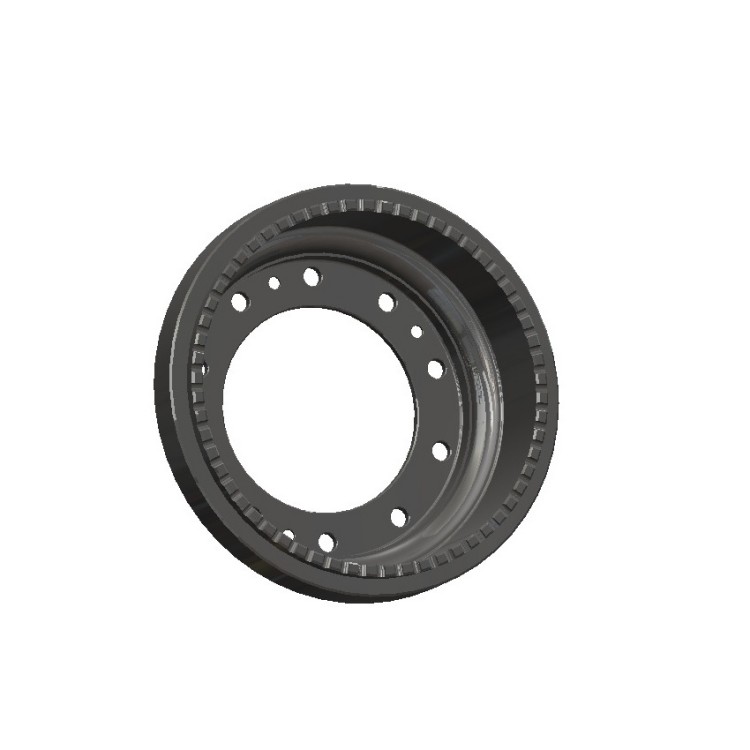
If you are looking for high - quality passenger car brake drums that meet international standards, Laizhou Guanzuo Trading Co., Ltd. is your reliable choice. Our products are rigorously tested and certified to ensure top - notch performance and safety. Click here to learn more about our brake drums and start your trial order today!
 342
|
342
|
 High - performance brake discs Passenger vehicle brake discs Commercial vehicle brake discs IATF TS16949 certification E - MARK R90 certification
169
|
high-performance brake discs wear-resistant brake discs rust-proof brake discs brake disc compatibility automotive brake system components
414
|
automotive brake kit certification VCA COP审核 EMARK certification brake kit safety standards brake component compliance
187
|
IATF TS16949 certification automotive quality management brake hub manufacturing supply chain quality control automotive parts certification
161
|
brake disc installation mistakes locating hole precision turning machining process commercial vehicle brake discs brake system safety
High - performance brake discs Passenger vehicle brake discs Commercial vehicle brake discs IATF TS16949 certification E - MARK R90 certification
169
|
high-performance brake discs wear-resistant brake discs rust-proof brake discs brake disc compatibility automotive brake system components
414
|
automotive brake kit certification VCA COP审核 EMARK certification brake kit safety standards brake component compliance
187
|
IATF TS16949 certification automotive quality management brake hub manufacturing supply chain quality control automotive parts certification
161
|
brake disc installation mistakes locating hole precision turning machining process commercial vehicle brake discs brake system safety