.png?x-oss-process=image/resize,h_100,m_lfit/format,webp)
.png?x-oss-process=image/resize,h_100,m_lfit/format,webp)
.png?x-oss-process=image/resize,h_100,m_lfit/format,webp)
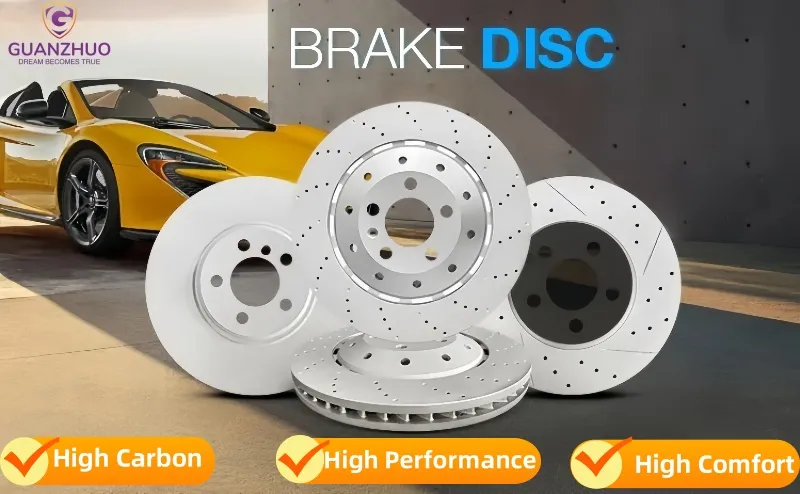
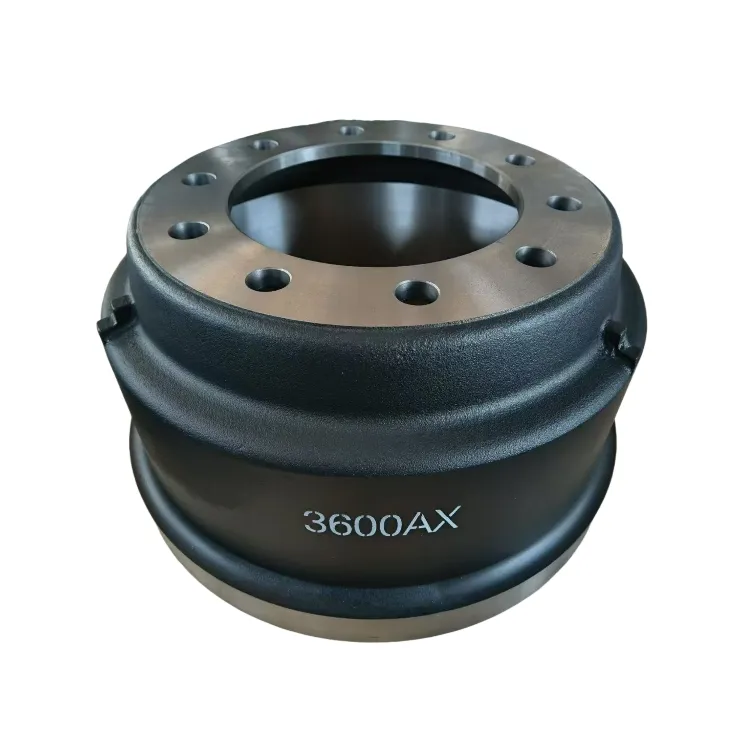
In the global automotive industry, the demand for high - quality truck brake discs is on the rise. More and more automobile manufacturers are mandating that brake discs pass the IATF TS16949 certification. But why is this standard so crucial?
The automotive industry is highly competitive, and safety is always the top priority. Brake discs are a critical component of a vehicle's braking system. Faulty brake discs can lead to serious accidents, causing property damage and even loss of life. According to industry statistics, approximately 15% of vehicle accidents are related to brake system failures. This is why an increasing number of automobile manufacturers are insisting on IATF TS16949 certification for brake discs.
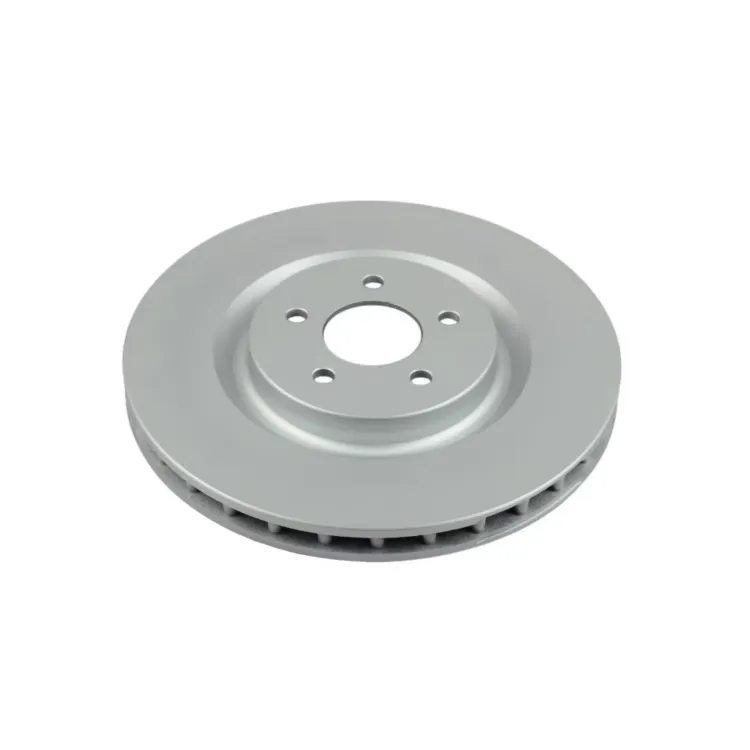
The IATF TS16949 standard is an international automotive quality management system. It regulates the entire process of brake disc production, from raw material selection to the final product. For example, in raw material selection, only high - quality steel that meets specific chemical and physical properties can be used. During the manufacturing process, strict process control ensures the dimensional accuracy and surface finish of the brake discs. Quality control measures are in place at every stage, including incoming material inspection, in - process inspection, and final product inspection.
"The IATF TS16949 standard provides a comprehensive framework for ensuring the quality and reliability of automotive parts, including brake discs," says an industry expert.
There are several key technical aspects in brake disc production that the IATF TS16949 standard emphasizes. Dynamic balance detection is one of them. A well - balanced brake disc can reduce vibration during braking, improving driving comfort and safety. Studies show that a brake disc with proper dynamic balance can reduce brake noise by up to 30%. Precise control of positioning holes is also crucial. Accurate positioning holes ensure proper installation of the brake disc, which is essential for the normal operation of the braking system. In addition, advanced surface rust - proof technology can significantly extend the service life of the brake disc. Rust - proof brake discs can last up to 20% longer than non - rust - proof ones.
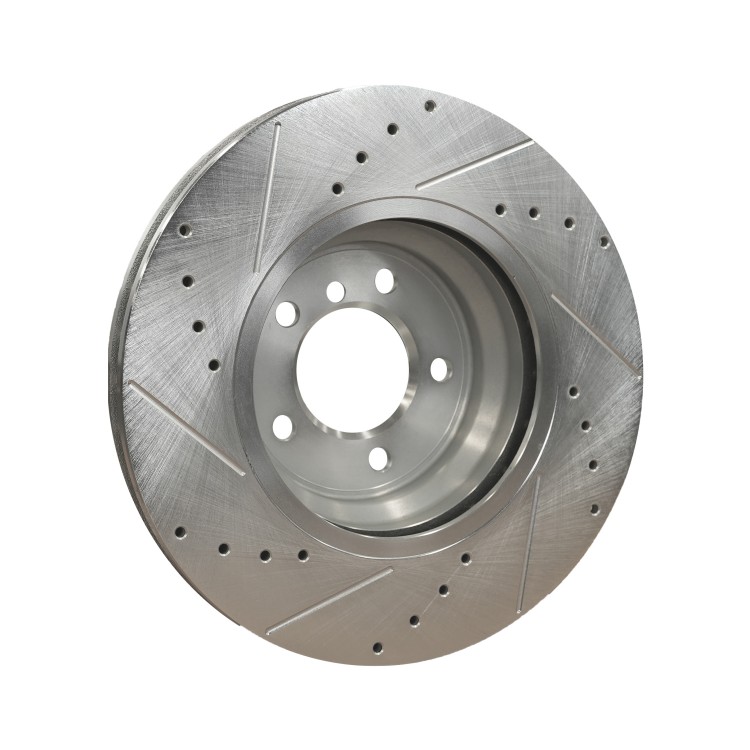
Certified brake discs bring both safety and cost - effectiveness. By complying with the IATF TS16949 standard, the failure rate of the vehicle's braking system can be reduced by approximately 25%. This not only improves the safety of the vehicle but also reduces maintenance costs. Longer maintenance intervals mean less downtime for the vehicle, which is beneficial for both automobile manufacturers and fleet operators. Moreover, customers are more likely to trust products that are certified, which can enhance brand reputation and market competitiveness.
The IATF TS16949 standard is constantly evolving. The new version of the standard has introduced some updated requirements, such as more stringent environmental protection requirements and enhanced quality traceability. These changes will have a profound impact on the export market. Automobile parts manufacturers that fail to meet the new standards may face difficulties in entering international markets. Therefore, it is essential for manufacturers to keep up with the latest trends and ensure their products are compliant.
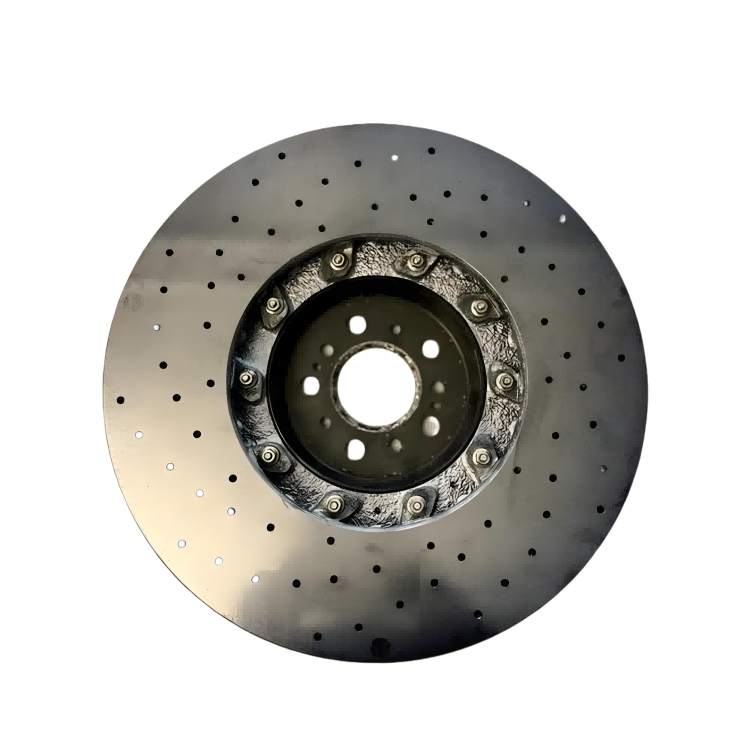
In conclusion, choosing brake discs that pass the TS16949 certification is not just about compliance; it is a strategic move to enhance competitiveness. For automobile manufacturers, repair service providers, and procurement officers, understanding the technical logic behind the certification can improve the professionalism and safety of their decision - making. Choose brake discs certified by TS16949 now and add an extra layer of safety to your fleet!
 268
|
268
|
 passenger car brake disc brake disc buying guide brake disc material brake disc rust prevention brake disc certification
196
|
Commercial vehicle brake pads Semi-metallic brake pads Low-steel brake pads Ceramic brake pads Brake pad certification standards
165
|
brake pad replacement interval brake pad wear indicators brake pad inspection checklist brake pad thickness check brake fade symptoms
148
|
European team brake discs CE certified brake discs European commercial vehicle brake discs Precision-machined brake discs High-temperature resistant brake discs
187
|
IATF TS16949 certification automotive quality management brake hub manufacturing supply chain quality control automotive parts certification
passenger car brake disc brake disc buying guide brake disc material brake disc rust prevention brake disc certification
196
|
Commercial vehicle brake pads Semi-metallic brake pads Low-steel brake pads Ceramic brake pads Brake pad certification standards
165
|
brake pad replacement interval brake pad wear indicators brake pad inspection checklist brake pad thickness check brake fade symptoms
148
|
European team brake discs CE certified brake discs European commercial vehicle brake discs Precision-machined brake discs High-temperature resistant brake discs
187
|
IATF TS16949 certification automotive quality management brake hub manufacturing supply chain quality control automotive parts certification